Wedding flowers for Golden Lane estate venues Finsbury
Posted on 26/09/2026
Planning wedding flowers for Golden Lane estate venues Finsbury is a bit different from planning flowers for a standard hotel or country-house wedding. Golden Lane Estate has that distinctive modernist London character: clean lines, open courtyards, strong architecture, and a sense of place that does a lot of the visual work for you. That means the flowers should complement the venue, not fight it.
In practice, that usually means balancing structure with softness, choosing colours that sit well against concrete, brick, glass, and steel, and making sure the arrangements arrive in good shape, on time, and ready to settle into the space. Sounds simple. It rarely is. But with the right plan, it can be elegant rather than stressful.
This guide walks you through the look, the logistics, and the decisions that matter most for wedding flowers at Golden Lane Estate venues in Finsbury. Whether you are after a restrained modern bouquet or a fuller floral story with ceremony flowers, table arrangements, buttonholes, and bridesmaid pieces, you will find practical advice here that actually helps.
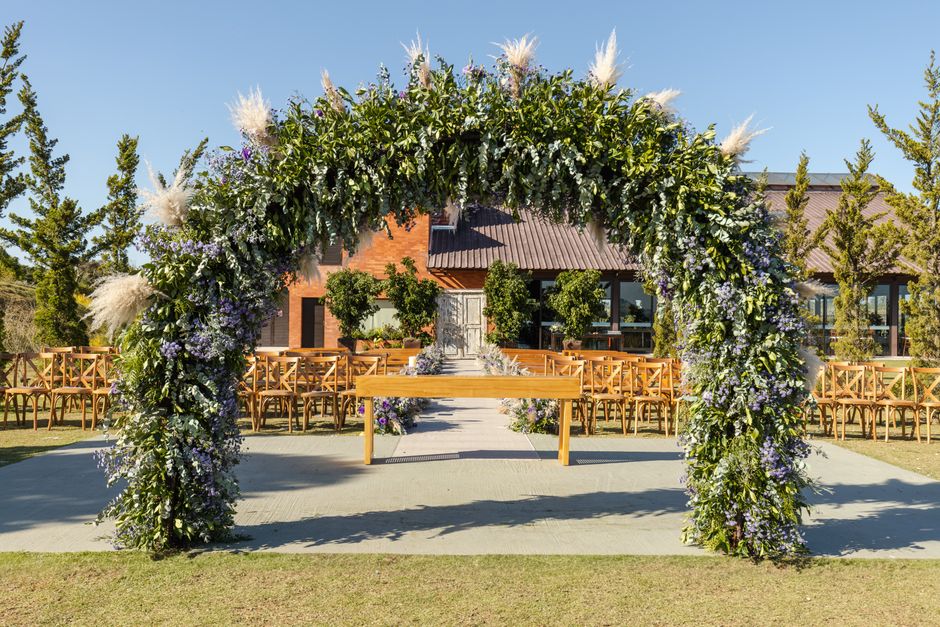
Why Wedding flowers for Golden Lane estate venues Finsbury Matters
Wedding flowers are never just decoration, not really. They set the tone when guests arrive, shape the photos, and help tie the ceremony, reception, outfits, and table styling together. At Golden Lane Estate, that role becomes even more important because the architecture is already so visually strong. You are working with a space that has personality. The flowers need to be intentional.
For Golden Lane estate venues in Finsbury, the right floral design can soften sharper architectural edges and bring warmth into a space that might otherwise feel cool or minimal. A delicate bridal bouquet against a crisp modern backdrop. A floral meadow in a courtyard that catches the light at 4pm. A set of table arrangements that stop the room feeling too rigid. These details matter because they change how the venue feels, not just how it looks.
There is also a practical side. Venue flow, sightlines, movement around tables, and even where guests stand for photographs all affect floral choices. Big installations can be gorgeous, but if they block views or feel awkward in the room, they stop being beautiful and start being a bit of a nuisance. Truth be told, some of the best wedding flower plans are the ones that look effortless because the logic behind them was solid.
Expert summary: At Golden Lane Estate, good wedding flowers should feel architectural but soft, polished but not overworked, and beautiful from both close up and across the room. That balance is the whole game.
How Wedding flowers for Golden Lane estate venues Finsbury Works
The process usually starts with the venue, the date, and the shape of the day. From there, the florist works out what needs flowers, where the flowers will be seen, and how much impact you want each area to have. For example, a civil ceremony in a smaller room may need a neat focal arrangement and aisle pieces, while a reception in a larger area may call for a stronger table design and a more visible entrance arrangement.
At Golden Lane Estate venues, layout matters. Natural light changes how colours read. Bare walls can make colours feel stronger. Outdoor or courtyard spaces can need more robust flowers that hold up well if the weather turns warm or breezy. And because the estate sits in central London, delivery timing matters too. You do not want a bridal bouquet arriving too early and sitting around in the wrong conditions. Flowers are living things, after all, fussy little things with standards.
A good wedding florist will usually consider the following:
- the ceremony style and guest count
- the venue's architecture and colour palette
- the season and what flowers are naturally at their best
- your dress, suits, and bridesmaid outfits
- photo opportunities, from entrance shots to table details
- delivery, set-up, and breakdown logistics
If you are browsing styles or product ranges, it can help to look at a dedicated wedding flowers collection first, then narrow down from bridal bouquets, bridesmaid flowers, and table pieces. That is often a calmer way to make decisions than starting from a blank page and panicking at midnight.
Key Benefits and Practical Advantages
The main benefit of getting wedding flowers right at Golden Lane Estate is visual harmony. The venue already has strong design cues, so flowers can either sharpen the overall style or gently soften it. Done well, they make the whole event feel more polished and coherent. The bouquet relates to the ceremony flowers. The table arrangements echo the bridesmaid colours. The buttonholes quietly pull the whole look together. It all starts to sing a little, even if no one can quite explain why.
Here are the practical advantages couples usually notice:
- Better photos: Florals add depth, colour, and softness without cluttering the frame.
- Clearer style direction: Flowers help define whether the day feels romantic, modern, classic, or slightly wild.
- Stronger venue fit: Thoughtful designs work with Golden Lane's architecture rather than against it.
- Guest comfort: Well-placed arrangements avoid blocking views or crowding tables.
- More memorable details: Guests tend to remember scent, colour, and the little moments of beauty.
If you want a more premium finish, a range such as luxury flowers can be useful for focal pieces, while a simpler palette may work better for the bouquets and smaller arrangements. Not every wedding needs to be loaded with flowers. Sometimes a few well-placed pieces do the heavy lifting beautifully.
And yes, budget matters. The best floral plans are usually the ones that spend where the flowers will be noticed most: the bouquet, the ceremony focal point, the entrance, and one or two high-impact table arrangements.
Who This Is For and When It Makes Sense
This approach makes sense for couples planning a wedding at Golden Lane Estate who want flowers that feel considered rather than generic. It is especially relevant if you care about photographs, venue styling, and the overall guest experience. If you are the kind of person who notices how the bouquet colour sits against a suit jacket or how the reception table looks from the top of the room, you are probably already thinking in the right direction.
It also makes sense if you are working with:
- a civil ceremony or intimate celebration
- a modern, minimalist, or urban wedding aesthetic
- mixed indoor and outdoor spaces
- a limited setup window on the day
- a wedding party that needs matching but not identical floral pieces
For couples who want a very polished bridal look, products like an bridal bouquet or a coordinated bridesmaid bouquet are an easy starting point. Then you can build around them with buttonholes, table flowers, and maybe a flower girl or ceremony accent if the venue layout calls for it.
If, on the other hand, you want a lighter touch, that is absolutely fine too. Not every wedding at Golden Lane Estate needs a full floral takeover. Sometimes less really is more, especially in a visually strong space.
Step-by-Step Guidance
1) Start with the venue layout
Before you talk colours or flowers, sketch the actual spaces you will use. Ceremony room, drinks area, reception tables, entrance, photo spots. Where will guests gather? Where will they move? Where will the florist have room to work without causing a bottleneck? These questions save time later.
2) Choose the mood before choosing the stems
Do you want soft romance, modern elegance, garden-inspired movement, or something bold and colourful? Once you know the mood, the flower choices become much easier. For a modern venue like Golden Lane Estate, white, blush, deep plum, green-led designs, and mixed seasonal textures often work well, but that is not a rule. It is just a very good starting point.
3) Define the must-have items
Decide what absolutely needs flowers and what can be left out if budget or logistics are tight. Most couples focus on the bouquet, bridesmaid flowers, buttonholes, and a ceremony statement piece. Table arrangements and additional decor are often second priority unless they are central to the look.
4) Match the scale to the room
This is where a lot of wedding plans go sideways. Small rooms need restraint. Large, open rooms need enough presence to avoid looking sparse. The right scale is not about buying more flowers for the sake of it; it is about visual balance.
5) Confirm logistics early
Agree on delivery time, access, set-up order, and who receives the flowers. If the venue has restricted loading access or timed entry, that needs to be planned in advance. The day itself is not the time for improvising. Well, not too much improvising.
6) Finalise the flower list and backups
A sensible florist will recommend substitute blooms if a seasonal flower becomes unavailable. That does not mean your plan is at risk. It means the design is flexible enough to survive real-world flower sourcing, which is exactly what you want.
For couples wanting a straightforward route, a curated option like an official wedding bridal bouquet selection paired with matching wedding buttonholes can simplify the whole process. It keeps the style consistent and cuts down on decision fatigue, which is a very real thing in wedding planning.
Expert Tips for Better Results
Small choices make a big difference. That is the honest version. Here are the details that usually improve the final result more than people expect.
- Use colour with purpose: If the venue has cool tones, warmer flowers can add life. If the room already feels warm, crisp whites and fresh greens can keep it clean.
- Think about stem shape: Soft, airy flowers read differently from tight, round arrangements. A combination often works best.
- Keep scent in mind: Strong fragrance can be lovely in moderation, but in small or enclosed spaces it may overpower the room.
- Plan for photographs: Bouquets that look lovely from the front should also read well from above and at distance.
- Choose durable blooms for longer days: If your wedding starts early and runs late, pick flowers that hold up well out of water.
One thing I often advise is to build the floral story around three levels: the personal flowers, the ceremony focal point, and the table or reception pieces. That trio gives a strong overall effect without overcomplicating the day.
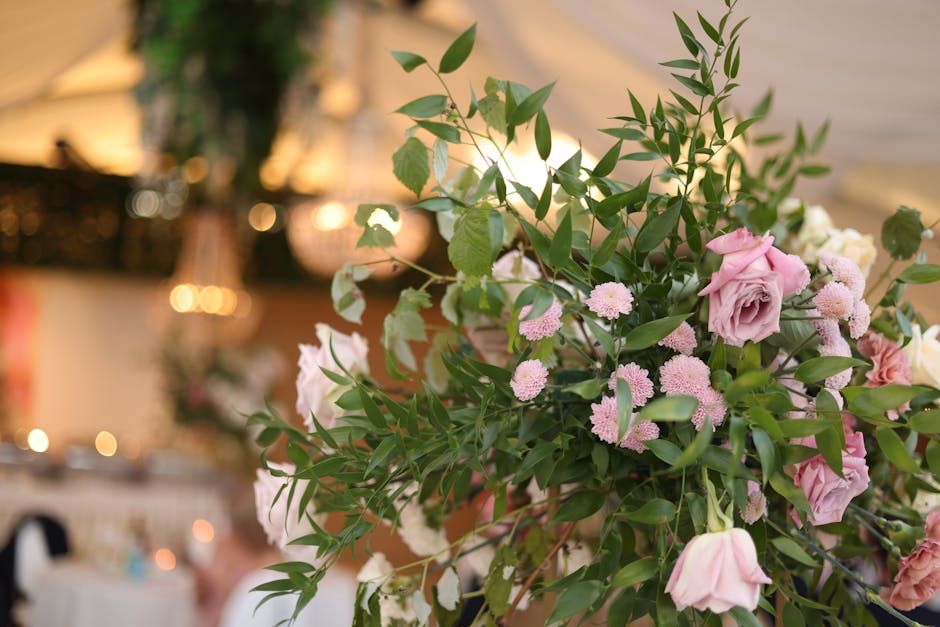
Also, do not ignore the practical beauty of simpler combinations. White roses, lisianthus, orchids, and green accents can look superb in a clean-lined venue. A bolder mix can work too, especially if you want the flowers to feel joyful and lively. The trick is making sure the palette has a reason.
If you are comparing styles, look at arrangements such as a white bridal bouquet for a classic refined feel, or something like a romance-led wedding collection if you want more softness and movement. Not identical outcomes, obviously, but both can sit beautifully inside a Golden Lane setting.
Common Mistakes to Avoid
Wedding flower mistakes are usually not dramatic. They are small things that compound. You see them most often in the week before the wedding, when the couple suddenly realises that the bouquet, buttonholes, and table pieces all need to work together and nobody has checked the delivery window. Bit stressful, that.
- Choosing flowers without considering the venue: A heavy country-house look can feel out of place in a modern estate venue.
- Ignoring scale: Arrangements that are too small disappear; arrangements that are too large dominate the room.
- Leaving logistics too late: Access, delivery, and set-up timing are not details to leave until the final call.
- Overloading the budget on one area: A huge bouquet and no ceremony flowers can leave the rest of the day looking incomplete.
- Forgetting the weather: Even a London summer can be warm enough to affect delicate flowers.
- Not matching the bridal party: You do not need everything identical, but the whole design should feel related.
Another common issue is treating the flowers as an isolated purchase instead of part of the overall look. Your florist, photographer, and venue team should all be working toward the same visual result, even if they are not sitting around a table drawing mood boards together. Usually, anyway.
Tools, Resources and Recommendations
You do not need a mountain of software or specialist gear to plan wedding flowers well. A few simple tools go a long way.
- Venue photos: Bring real images of the rooms and outdoor spaces you will use.
- Outfit references: Dress, suit, bridesmaid fabric, or even fabric swatches help with colour matching.
- Guest count and table plan: These determine how many arrangements are actually useful.
- Seasonal flexibility: A good florist can often suggest alternatives if a specific bloom is hard to source.
- Delivery and day schedule: Keep a written timeline for arrival, set-up, and handover.
If you prefer to browse by theme or product type, the site's broader flower ranges can help narrow preferences. For example, white flowers give a clean, classic feel, while mixed colours can make a wedding feel more lively and less formal. There is no universally correct choice. It depends on the room, the clothes, and the kind of mood you want to walk into.
For couples who prefer to keep things neat and coordinated, a single collection can be easier than selecting every piece separately. It is one reason curated wedding ranges tend to be popular: the decisions are already partly solved for you.
Law, Compliance, Standards, or Best Practice
Wedding flowers themselves are not heavily regulated in the way some other event services can be, but good practice still matters. In London, the most important practical issues are usually venue access, safe setup, and clear communication with the venue team. If arrangements are going near walkways, entrances, or table edges, they need to be stable and not create a trip risk or obstruct movement.
Florists should also be mindful of handling delicate materials, secure transport, and any venue rules around candles, water vessels, or fixing flowers to walls and furniture. Some venues are very specific about what can be attached and how. Golden Lane Estate venues may have their own event requirements, so it is sensible to confirm those early rather than assume.
On the customer side, clear order details are best practice too: exact date, delivery address, contact person on site, and any substitution preferences. If you want a particular look but are open to seasonal replacements, say so upfront. That keeps everyone calm on the day, which is always a win.
It is also sensible to review standard customer policies, payment terms, and delivery expectations before confirming your order. Simple, boring things. The useful sort.
Options, Methods, or Comparison Table
Different floral approaches suit different couples and budgets. Here is a straightforward comparison to help you decide what makes sense for a Golden Lane Estate wedding.
| Option | Best for | Strengths | Watch-outs |
|---|---|---|---|
| Minimal bouquet-led styling | Intimate weddings, modern ceremonies | Elegant, focused, budget-friendly | Can feel sparse if the room is large |
| Balanced full-day floral plan | Most couples | Good mix of impact and practicality | Needs better coordination and timing |
| Statement installation look | High-visual-impact weddings | Very photogenic, memorable | Higher cost, more planning, venue approval may matter |
| Seasonal, florist-led choice | Flexible couples | Often fresher and more natural-looking | You surrender some colour-specific control |
For many couples, the balanced full-day floral plan is the sweet spot. You get enough presence for the venue, but you are not paying for visual noise. And let's face it, nobody wants the flowers to feel louder than the guests.
Case Study or Real-World Example
Here is a realistic example based on the kind of brief commonly seen for Golden Lane Estate weddings. A couple wanted a clean, modern look with a touch of softness. The venue had strong architectural lines, so they did not want anything too heavy or too rustic. Their palette was white, blush, and soft green, with a few deeper accents in the bouquet for contrast.
The final plan was simple but effective: a bridal bouquet, two bridesmaid bouquets, buttonholes for the wedding party, and a set of understated table arrangements. The ceremony piece was kept low enough that guests could see across the room, and the table flowers were grouped so they looked fuller from a distance without overcrowding the tables.
What worked well?
- The bouquet colour echoed the bridesmaid flowers without looking too matched.
- The ceremony design framed the couple without stealing attention from them.
- The tables looked finished, but still breathable and easy for guests to use.
- The whole look felt like it belonged in the venue rather than sitting on top of it.
That is the sweet spot, really. Not too precious, not too plain. Just confident. The kind of wedding styling that photographs well and still feels good when you are standing there holding a glass of something cold an hour later.
Practical Checklist
Use this checklist to keep your wedding flower planning on track.
- Confirm the exact Golden Lane Estate venue space you are using.
- Decide whether the style is modern, romantic, minimal, or seasonal.
- Choose your main palette and one or two accent colours.
- List the must-have items: bouquet, bridesmaid flowers, buttonholes, ceremony flowers, table arrangements.
- Check delivery access, set-up time, and who will receive the flowers.
- Share outfit colours and any fabric swatches if available.
- Ask what seasonal substitutions may be needed.
- Confirm what happens if the weather is unusually warm.
- Make sure the flowers fit the room size and guest count.
- Keep a written summary of the final order.
Quick reminder: the best wedding flower plans are tidy on paper and calm on the day. That is the goal. Simple enough to manage, special enough to remember.
Get a free quote today and see how much you can save.
Conclusion
Wedding flowers for Golden Lane estate venues Finsbury work best when they respect the venue's architecture and add warmth, softness, and personality in the right places. The aim is not to drown the space in flowers. It is to create a setting that feels considered, elegant, and unmistakably yours.
If you keep the layout, scale, logistics, and palette in mind, you will make much better decisions and avoid the usual last-minute scrambling. Start with what the venue needs, then layer in what the day feels like. That's the honest formula.
And if you get a little stuck, that is normal. Wedding planning does that to people. But once the flowers click into place, the whole day starts to feel real in a lovely, slightly emotional way. That part never gets old.
Frequently Asked Questions
What flowers work best for Golden Lane Estate weddings?
White, blush, green-led, and softly textured arrangements often work well because they balance the venue's modern architecture. That said, bolder colours can also be effective if you want more contrast and energy.
Should wedding flowers match the venue exactly?
Not exactly. They should complement the venue. At Golden Lane Estate, flowers that soften the strong lines of the building usually feel more natural than designs that try to overpower the space.
How far in advance should I book wedding flowers?
As early as possible, especially for popular wedding dates. Early booking gives you more choice, more time to refine the design, and less stress if seasonal flower options need adjusting.
Can I keep wedding flowers simple and still make an impact?
Absolutely. A strong bridal bouquet, coordinated buttonholes, and one good ceremony or table arrangement can make a big difference. Simplicity can look very elegant in the right venue.
Do I need flowers for every table?
Not necessarily. Sometimes it is better to place larger focal arrangements on key tables or use fewer, fuller pieces rather than spreading the budget too thinly across every surface.
What if the weather is hot on the wedding day?
Ask your florist which flowers hold up best in warmer conditions and how they will transport and stage them. Delicate blooms may need extra care, especially if there is a delay before set-up.
How do I choose between classic and modern wedding flowers?
Think about the venue, your outfits, and the mood of the day. Classic flowers often feel timeless and soft, while modern designs can be cleaner, more structured, and better suited to architectural spaces.
Are buttonholes and bridesmaid bouquets really necessary?
Not essential, but they help create a cohesive look. Even a small amount of matching floral detail can tie the whole wedding together without adding too much complexity.
Can I use seasonal flowers only?
Yes, and it is often a smart choice. Seasonal flowers tend to look fresher and can be more flexible in terms of style. Your florist may suggest substitutions if a particular bloom is not at its best.
What should I tell the florist before booking?
Share your venue details, date, colour ideas, approximate guest count, outfit inspiration, budget range, and any flowers you love or dislike. The clearer the brief, the better the result.
Is a full floral installation worth it at Golden Lane Estate?
It can be, if the layout and budget support it. A statement installation can look fantastic in the right space, but a more restrained design is often just as effective and easier to manage.
What is the biggest mistake couples make with wedding flowers?
Choosing flowers without considering the venue's shape, lighting, and scale. A beautiful arrangement in the wrong context can feel oddly disconnected. The venue and flowers need to work together.